
Walking changes a cage fit with every step. The base ring shifts, underwear pulls in different directions, and a small rough point can become obvious after a mile even when it felt fine at home. A sensible Locktober plan treats walking as a separate fit test rather than assuming that standing comfort will carry through a commute, shopping trip or long afternoon outside.
Start with familiar routes and easy access to privacy. This guide covers pacing, clothing and checks; the broader comfort guide explains how those choices fit into the rest of the day.
Test Distance in Stages
Use a ten-minute home or neighborhood walk first. If there is no rubbing, pinching or change in urination, repeat with twenty to thirty minutes on another day. Only then consider a normal commute or longer outing. Keep the route easy to shorten. A one-way walk that leaves you far from a private place is a poor first test, even when the distance looks modest on a map.
Record when a sensation appears, not only whether the walk was completed. Pressure after the first hill, rubbing after sitting on public transport or movement caused by a certain trouser seam gives you something specific to change. Do not increase both distance and pace during the same test. One variable at a time makes the result easier to interpret.
Stability Matters More Than Tightness
A device that moves excessively can rub, but making the ring tighter is not a safe universal fix. Recheck the published measurements, ring shape and cage-to-ring gap. Supportive underwear may limit swinging without forcing the device into the body. Walk normally during the fitting test; shortening your stride to tolerate pressure means the setup is changing how you move.
After the walk, inspect skin in good light and note whether any mark fades promptly. Persistent pressure, pain or swelling is not ordinary adjustment. Review the emergency unlock plan before leaving home, and carry the local release method rather than depending on a remote keyholder to respond.
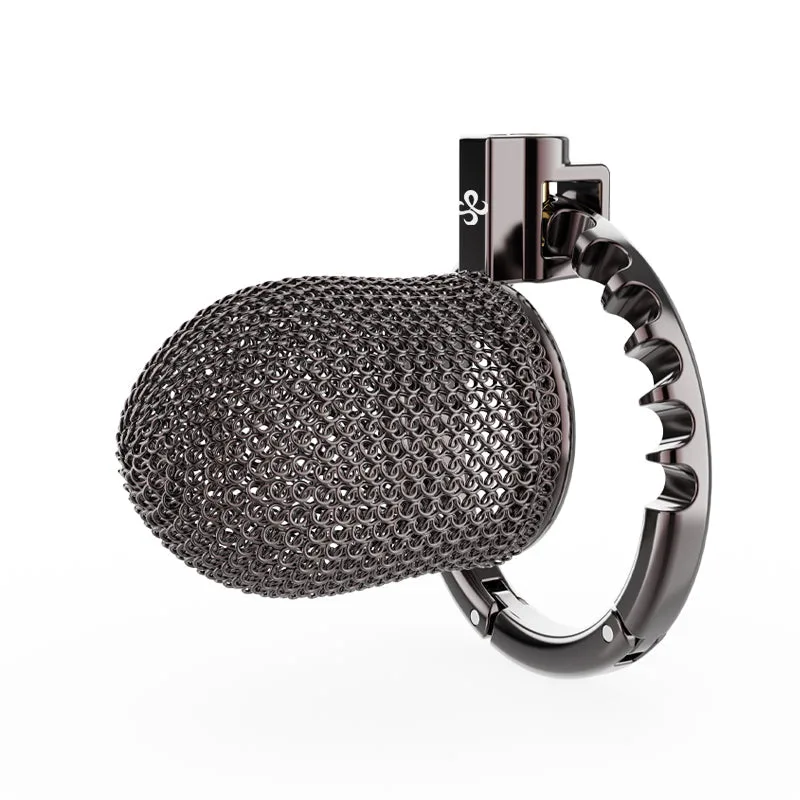
Chainmail Chastity Cage Adjustable
For walking, this chainmail model is useful as an adjustability and ventilation comparison. Its listing specifies a one-piece ring adjustable from 38–60 mm and an open metal mesh construction. Those features may change how the device moves and dries, but they do not determine fit by themselves. Compare the full shape and weight with your measurements, then use a short level route to test movement before planning a commute or long walk.
Choose Clothing for Repeated Movement
Use underwear that holds the device consistently while allowing a normal stride. Check the leg openings and center seam, because fabric that feels smooth while seated may rub during repeated steps. Trousers need enough room at the hips and front rise. Test the complete outfit with stairs, a curb and a few minutes of sitting before committing to a day outside.
Carry a tested clothing alternative on longer days. Avoid adding makeshift pads that trap sweat or shift against the skin. In warm conditions, shorten the route and include a place to dry and inspect. The article on hygiene and daily care is the better reference when moisture rather than movement becomes the main issue.
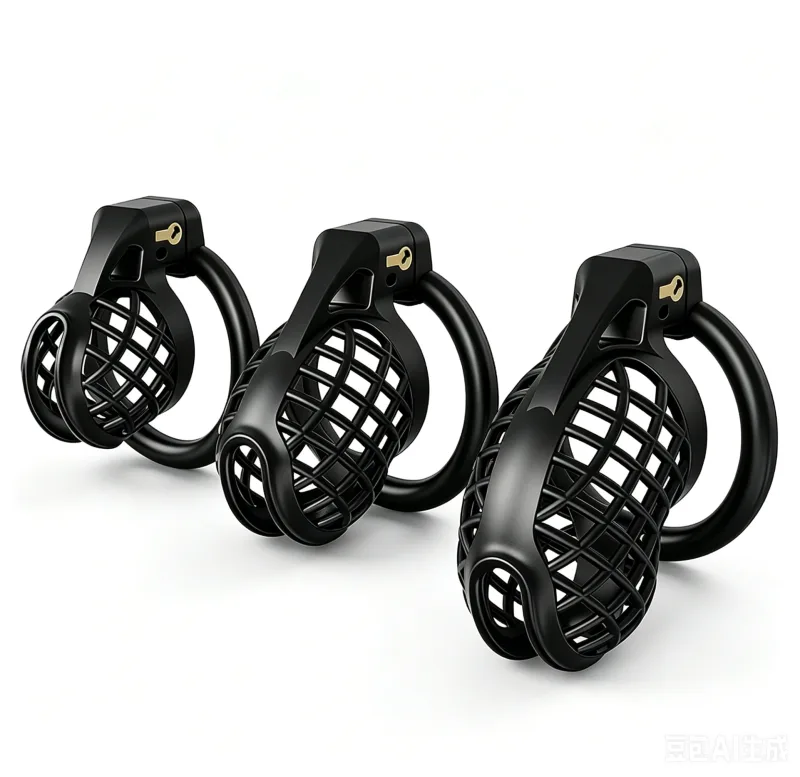
Black Mesh ABS Chastity Cage
The Black Mesh ABS cage offers S, M and L cage dimensions and six listed rings from 40–60 mm, making it a practical measurement reference when walking reveals excess movement. Its lattice shell may provide more open area than a solid enclosure. Check the cage length, width and stated gap together; selecting only by ring size can miss the source of rubbing. Test it at home before assuming lighter ABS will remain stable outdoors.
Build Checks Into the Route
Plan a private check before departure, at the first practical stop and after returning. On a long route, identify restrooms in advance. A check means more than asking whether you can keep going: confirm normal color and sensation, look for folded skin, dry sweat and make sure the lock and cage have not shifted into a new angle.
A scheduled check never overrides an immediate concern. Stop and remove the device for persistent pain, numbness, swelling, unusual discoloration, broken skin or difficulty urinating. Seek qualified medical care for severe or continuing symptoms. Finishing a route is optional, and walking home while hoping a problem settles is not a safety plan.
Treat Terrain and Bags as New Tests
Hills, fast stairs and heavy bags change posture and stride. A backpack hip belt can press clothing downward, while a shoulder bag may create an uneven gait. Test each addition separately. If the route includes cycling, running or strenuous climbing, assess that activity on its own rather than treating it as ordinary walking.
Travel days require extra caution because privacy and alternatives are limited. The Locktober travel guide can help you decide when a device-free day is the more practical choice. Do not use a longer walk as a last-minute endurance challenge simply because October is nearing its end.
3D-Printed Double-Bar Resin Chastity Cage
If weight is the concern identified during walking, the Double-Bar resin cage supplies a different construction to compare with metal. Its page lists an open 3D-printed frame, a 28 mm cage opening and four rounded-square base-ring dimensions. Compare every measurement with the current setup rather than choosing by material alone. A lighter cage can still rub if the ring geometry or gap is wrong, so repeat the staged walking test after any change.

Plan the Return, Not Just the Outbound Walk
Fatigue and heat can make the return leg different from the first half. Keep enough time to slow down, change transport or end the test. Carry water, the release method and any normal personal items you would need even without Locktober. A challenge should not turn an ordinary outing into a situation where you cannot respond to discomfort privately.
A successful walking routine feels repeatable and leaves no lingering symptoms. If every outing requires constant adjustment, shorten wear time or use a non-device accountability plan. The practical result of testing may be that some routes work and others do not; that is useful planning, not inconsistency.