
A device that is acceptable for routine walking is not automatically appropriate for lifting, running, cycling or a sports class. Exercise adds force, sweat, repeated hip movement and situations where immediate privacy may be limited. The safest Locktober workout plan starts by deciding which sessions will be device-free and which low-intensity movements can be tested separately.
Keeping a training schedule does not require proving that every workout can be completed locked. Use the challenge-level guide to choose a flexible rule, then plan each activity by movement rather than by the calendar.
Classify the Workout Before Deciding
List the actual movements in the session. Heavy squats, rowing, sprinting, cycling and contact sports create different pressure from an easy walk or gentle mobility work. Equipment such as a lifting belt, bike saddle or harness can add direct compression. If the activity includes impact, rapid direction changes or limited access to a restroom, plan to remove the device beforehand.
Consider the environment as well. A private home session with a key nearby allows a faster response than a crowded class, trail or team practice. Heat and duration matter independently of intensity. The decision should be made before changing clothes, when there is time to follow the normal unlock and cleaning process.
Use Device-Free Workouts Deliberately
A planned unlock for exercise is compatible with a structured challenge. Write the rule clearly: which workouts require removal, when re-locking may be considered and which check must happen first. Do not set an automatic re-lock deadline before the body is clean, dry and free of symptoms. A workout day can still include the journal, check-in or other non-device part of the plan.
If a keyholder is involved, arrange access before the session and avoid remote delays. The wearer must be able to respond locally to discomfort or an unexpected change of plans. The rule-change guide shows how to add a workout exception without renegotiating the whole month.
Test Only Low-Intensity Movement First
When you choose to test movement while wearing a device, begin with gentle mobility and a short level walk. Include the positions used in the workout, but without load or speed. Stop if the cage changes your stance, range of motion or breathing pattern. Altering technique to protect the device can shift stress to the back, hips or knees.
Inspect after the test and again after the skin has cooled. Sweat can mask friction until later. Persistent pain, numbness, swelling, discoloration, skin injury or difficulty urinating requires removal. Seek qualified medical care when symptoms are severe or continue. These rules apply even when the planned exercise felt easy.
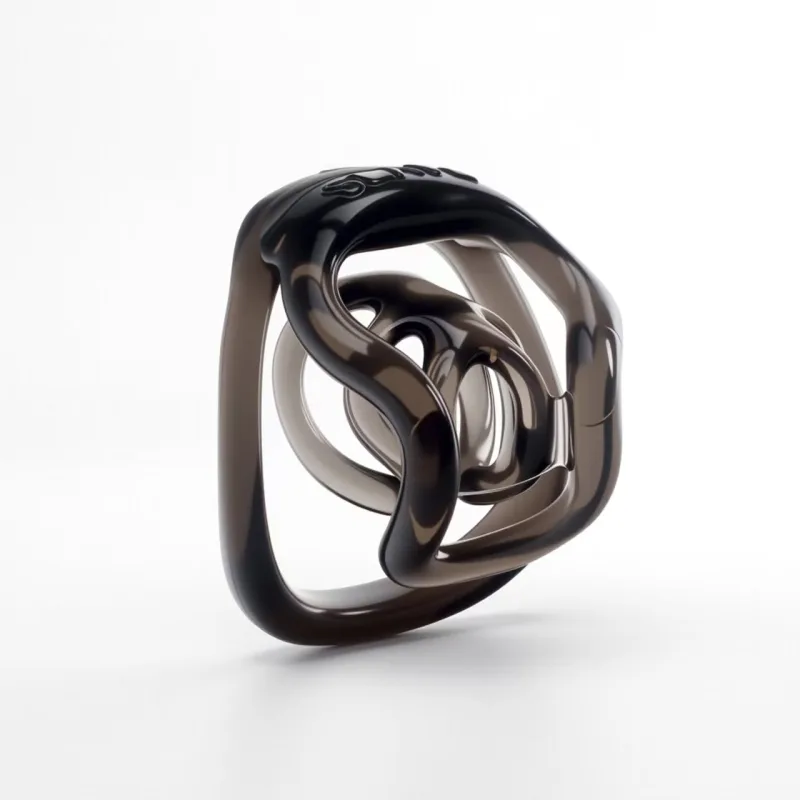
3D-Printed Double-Bar Resin Chastity Cage
For low-intensity movement comparisons, the Double-Bar resin cage may be relevant because its listing shows an open 3D-printed frame and four ring dimensions. The open structure and resin construction do not make it a sports device. Compare the 28 mm opening, ring geometry and overall fit during a short home movement test. Remove it for any activity where impact, equipment contact or restricted movement creates uncertainty.
Manage Sweat and Cleaning Immediately
Change out of damp clothing soon after exercise. Follow the device material’s cleaning instructions, rinse away sweat where appropriate and dry every surface before considering re-locking. Pay attention to hinges, mesh, lock channels and the area behind the ring. A quick wipe that leaves moisture trapped is not a complete post-workout routine.
Schedule enough time between exercise and the next obligation. If you cannot shower, inspect and dry properly, make that session device-free. The hygiene and daily-care guide provides a fuller routine; use it as the minimum rather than treating exercise as an exception.
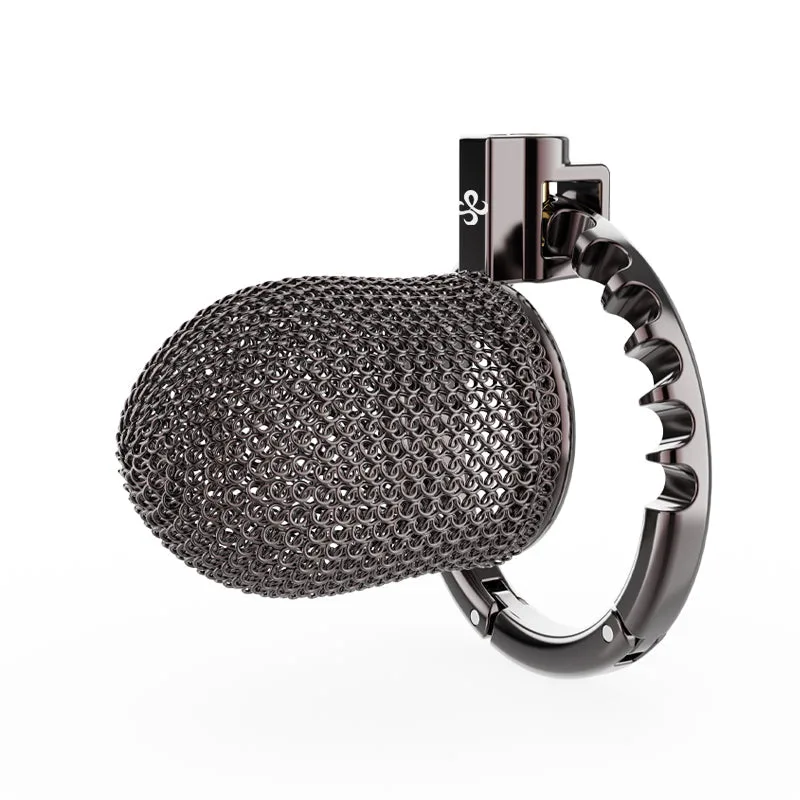
Chainmail Chastity Cage Adjustable
The adjustable chainmail cage provides an open metal construction to compare when ventilation is a concern. Its product page lists a 38–60 mm adjustable ring. For exercise planning, the important questions are whether the links or ring move against skin, how the device behaves with sweat and whether it contacts workout equipment. Test those points gently at home; an open design still requires full cleaning and does not remove impact risk.
Do Not Confuse Light Weight With Exercise Safety
ABS and resin devices can weigh less than steel, but the fit, cage-to-ring gap and surface condition still control how they move. A compact device may reduce projection while creating pressure in another location. Product labels rarely account for your exact exercise, clothing or anatomy, so use measurements and conservative tests rather than material assumptions.
Check the device for cracks or rough edges after repeated use. Stop using damaged equipment. If a product has removable parts, confirm that they remain secure during ordinary movement before any longer test. Do not add tape, padding or homemade restraints that can shift, trap moisture or complicate emergency removal.
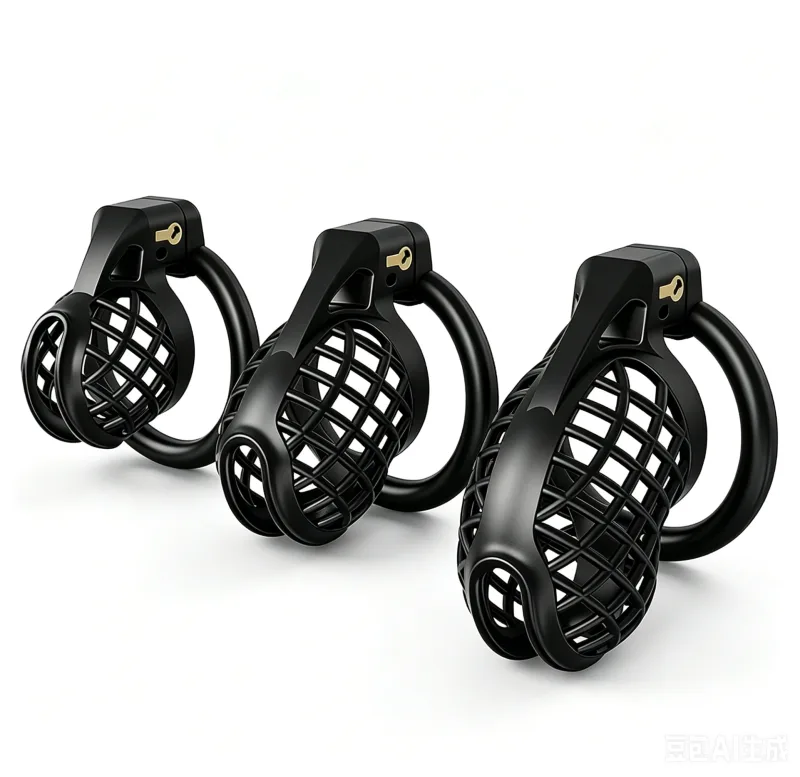
Black Mesh ABS Chastity Cage
This mesh-pattern ABS cage lists three cage lengths and widths plus six rings, so it can support a measurement-based comparison when bulk affects gentle movement. Use the stated S, M and L dimensions to identify whether length or width is the issue. Do not choose it simply because ABS is lighter. The cage-to-ring gap also changes across sizes, and every option needs a stationary fit test before walking or mobility work.
Build a Weekly Training Plan That Can Change
Mark heavy, high-impact, saddle-based and public sessions as device-free by default. Place any tested low-intensity session on a day with privacy and time for hygiene. Include recovery days, because skin irritation can appear after repeated movement even when each individual session seemed acceptable. Do not use exercise as a penalty or add repetitions to compensate for an unlock.
Review the plan each week. If work stress, heat, soreness or travel changes, adjust the Locktober schedule rather than forcing both plans to continue unchanged. The guide to taking a break explains how to pause without turning it into failure. A sound workout plan protects training quality and leaves room to remove the device promptly.