
A Locktober shower routine should make cleaning easier, not turn hygiene into a test of endurance. Water can rinse exposed areas, but it does not automatically clean the skin beneath a base ring, the inside of a cage, a lock channel or a close-fitting joint. Planned unlocking gives you the clearest view and the most reliable way to wash and dry both the body and device.
Decide the routine before October: when the cage comes off, where the key stays and what must be checked before re-locking. This focused guide works alongside the broader Locktober hygiene routine, which covers daily care outside the shower as well.
Choose an Unlocking Routine That Supports Hygiene
For many people, removing the device for a full shower is the simplest routine. Agree on the timing and local key access in advance if another adult is involved. An unlock for cleaning is maintenance, not a failed challenge. Do not make permission dependent on a delayed message, an app connection or a partner being awake; the wearer must be able to respond to discomfort and complete normal hygiene.
If you sometimes rinse while wearing the device, keep regular full removal in the plan. Rotate and inspect only in ways the manufacturer supports, and never force skin through a narrow opening to reach a hidden area. A structure that looks open in a photograph may still hold moisture at the ring, lock or underside.
Wash the Body and Device Separately
Use warm water and a mild product that your skin already tolerates. Clean folds and contact areas gently rather than scrubbing pressure marks. Follow the product page or maker’s instructions for the device material, especially around coatings, printed resin and locks. Rinse away all soap residue; leftover cleanser can irritate skin once the ring is back in place.
Inspect the cage while it is off. Look for residue, rough edges, cracks, corrosion, loose parts and a lock that no longer moves normally. Do not re-lock with a damaged device. Set it aside and use the emergency and backup plan while you decide whether repair or replacement is appropriate.
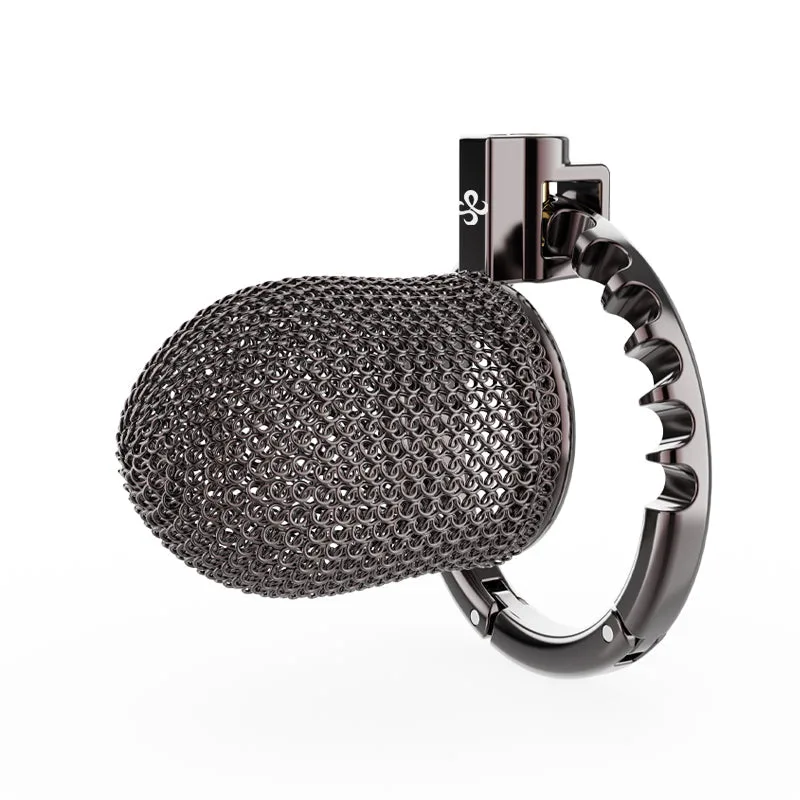
Chainmail Chastity Cage Adjustable
The adjustable chainmail model is relevant when comparing how much of a device can be seen and rinsed during routine care. Its page describes an open metal-link construction and a one-piece ring adjustable from 38–60 mm. Those features do not replace removal and inspection: links, joints and the lock still need cleaning and complete drying. Compare the Short and Long cage options, then confirm that the moving structure does not create rough contact points.
Dry Completely Before Re-Locking
Pat skin dry with a clean towel and allow contact areas to air-dry. Dry the cage according to its material and pay attention to mesh intersections, keyholes, hinges, slots and the point where the cage meets the ring. Shaking off visible droplets is not enough. Re-locking over damp skin creates friction and makes it harder to tell whether later moisture comes from the shower or normal activity.
Build drying time into the schedule instead of rushing to meet an arbitrary re-lock deadline. Keep the device off if the skin is softened, irritated or still damp. The separate guide to taking a Locktober break can help you record a maintenance pause without treating it as something to compensate for later.
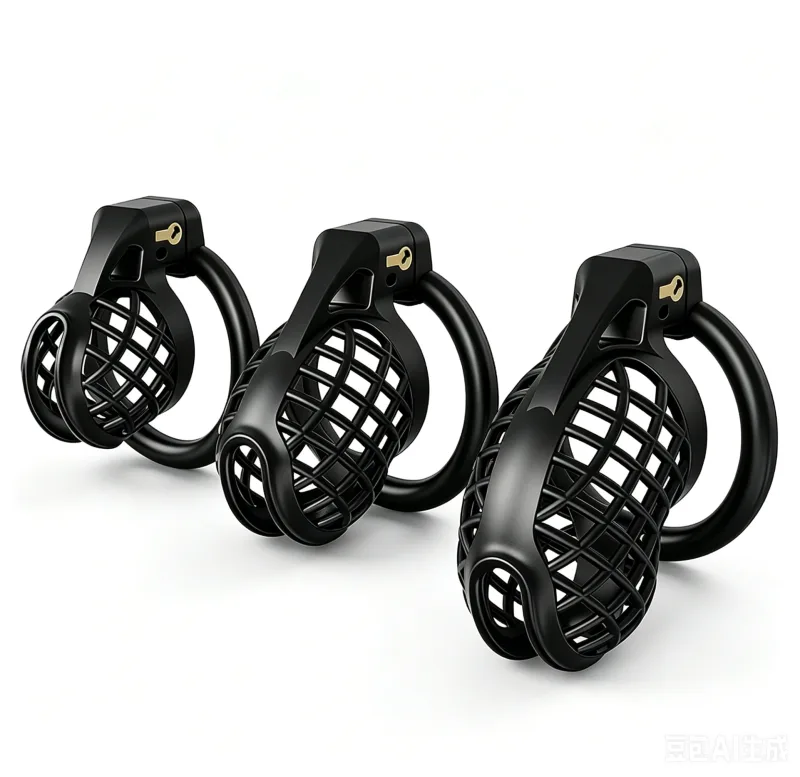
Black Mesh ABS Chastity Cage
The Black Mesh ABS cage offers a lattice shell in S, M and L, with six listed rings from 40–60 mm. That range makes it useful for comparing fit and visible access, but the gaps and cage-to-ring area still require deliberate drying. Review the 65, 80 and 95 mm cage lengths together with their widths and gaps. Choose by complete measurements, then test whether every surface can be cleaned and dried without improvised tools.
Use a Skin Check to Decide About Re-Locking
Check color, sensation and all contact points in good light. A temporary light mark that fades promptly is different from increasing redness, broken skin or a deep pressure line. If anything looks or feels worse after washing, leave the device off. Do not cover a problem with lotion and re-lock, because added moisture and friction can obscure the cause.
Remove the device for persistent pain, numbness, swelling, unusual discoloration, skin injury or difficulty urinating. Seek qualified medical care when symptoms are severe or continue after removal. A shower is a useful inspection opportunity, but it is not a treatment for an injury and does not reset an unsafe fit.
Keep the Routine Simple on Busy Days
Lay out the clean towel, key, approved cleaning item and a dry place for the device before entering the shower. This prevents the lock from being left in a wet area and reduces the temptation to skip inspection. If you share a bathroom, use a plain storage pouch or container that protects privacy without sealing a damp device inside.
Travel or early workdays may require a shorter device-free routine. Shorter is acceptable when washing and drying remain complete; rushed re-locking is not. If there is not enough time, keep the cage off and resume later. The challenge should adapt to ordinary hygiene rather than making normal care conditional on a perfect schedule.
3D-Printed Double-Bar Resin Chastity Cage
The Double-Bar resin cage uses an open interlocking frame and includes four rounded-square rings with displayed dimensions. For a shower-focused comparison, examine the layered bars and lock area as carefully as the large openings: complex intersections can still retain water. The page lists a 28 mm cage opening and 22 mm side depth. Match those measurements first, then test your ability to rinse, inspect and air-dry the complete device before using it in a daily routine.

Review the Routine After the First Week
After several days, ask whether cleaning takes the expected time and whether any area is repeatedly difficult to reach or dry. Note changes in skin, odor, residue and the lock’s movement. A recurring issue means the routine or device needs adjustment; it is not a reason to add harsher soap or clean more aggressively.
Keep a spare key accessible and replace towels or storage items when they become damp. When the process is predictable, showering becomes an ordinary daily checkpoint rather than a negotiation. The best re-locking decision is made after the body and device are clean, dry, undamaged and comfortable—not because a timer has expired.