
A bathroom routine is one of the first real-world tests of a Locktober setup. The aim is ordinary, reliable urination and cleanup without strain, leakage or a complicated process that fails outside the home. Because anatomy and cage openings differ, no single position or trick works for everyone. Test privately before relying on the setup at work, while travelling or during a long outing.
This article focuses on practical bathroom use. For washing and skin care beyond each visit, use the daily hygiene guide and the separate shower routine.
Test Alignment at Home
Begin when there is no time pressure. Check how the urethral opening aligns with the cage and whether the device shifts when clothing is lowered. Sitting may offer more control than standing, but use the position that allows a normal stream without forcing or holding the cage at an uncomfortable angle. Do not restrict fluids to avoid bathroom visits.
Notice whether the stream splits, sprays or leaves urine trapped against skin. A minor alignment change may be manageable with a normal repositioning, while repeated obstruction means the device or fit is not working for this routine. Practice cleanup with the same toilet paper, water access and clothing you will normally have.
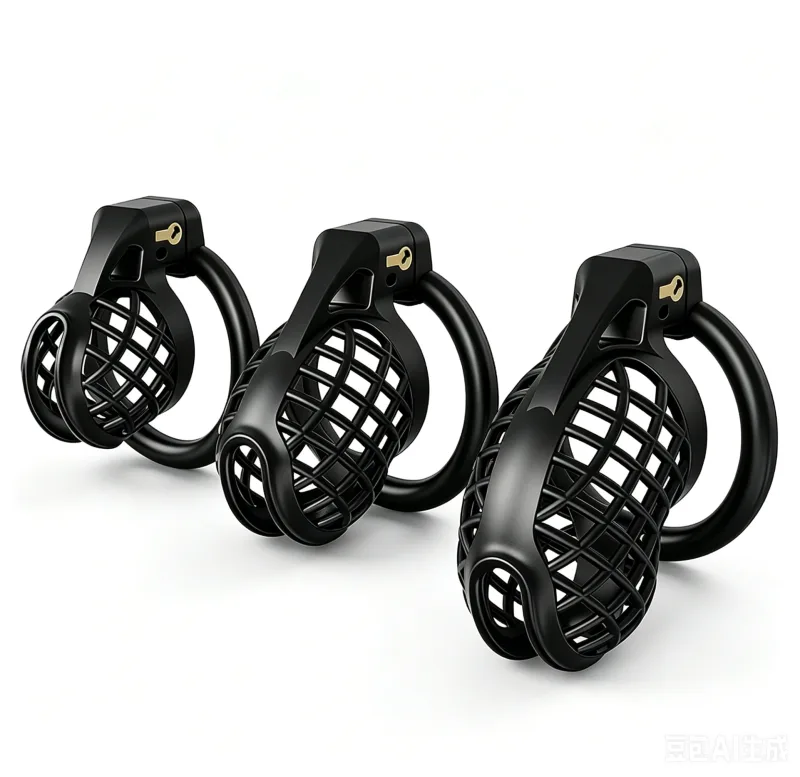
Black Mesh ABS Chastity Cage
The Black Mesh ABS cage is useful for comparing opening layout and cage length when bathroom alignment is the main concern. Its current page lists S, M and L shells at 65, 80 and 95 mm long, plus six rings from 40–60 mm. The lattice appearance does not guarantee a clean stream for every wearer. Review length, width and cage-to-ring gap together, then test urination and cleanup privately before wearing it away from home.
Clean and Dry After Each Visit
Blot residual moisture rather than rubbing skin through an opening. If the design retains urine, rinse when practical and remove the device for complete cleaning on the schedule you established before October. Pay attention to the underside of the ring and enclosed surfaces that are not visible from the front. Damp underwear can add friction and odor during the rest of the day.
Carry a small, ordinary hygiene kit for long days: spare underwear, unscented wipes compatible with your skin and a sealable bag for used items. Wipes are a temporary cleanup aid, not a substitute for washing. Avoid strong fragrance that can hide odor while leaving residue or irritation behind.
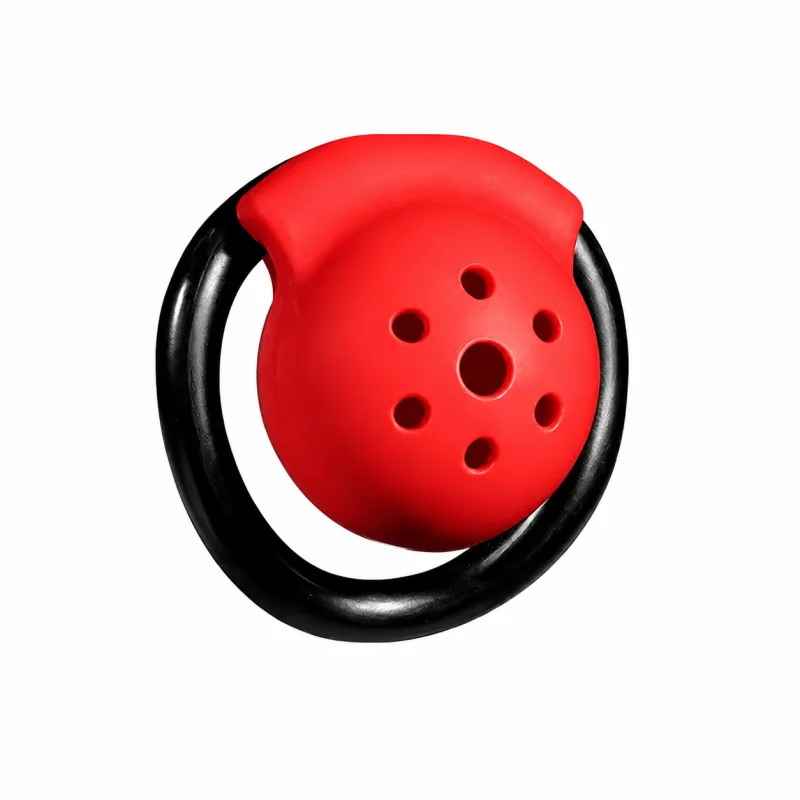
Red and Black Dome ABS Chastity Cage
The Red and Black Dome ABS cage has one central opening with six smaller holes and a listed 4.8 mm cage-to-ring gap. That specific front layout may be worth comparing when a current design is difficult to align or wipe, but it needs an individual home test. The package includes four rings from 43–57 mm. Confirm the ring and gap measurements, then assess normal urination, rinsing access and complete drying rather than judging from the front opening alone.
Plan for Public Restrooms
Choose a stall when you need privacy or room to adjust clothing. Allow extra time, especially during the first week, and identify restrooms before a commute or event. A crowded queue is not the place to discover that a particular pair of trousers, belt or underwear makes access difficult. Test the complete outfit at home.
Keep the key or local release method with you according to your emergency plan. Do not leave it with a remote partner when you are away from home. The Locktober travel guide explains how to decide whether a device-free trip or day is more practical when privacy and restroom access are uncertain.
Recognize When It Is Not an Alignment Problem
Difficulty starting urination, pain, a weak stream that is unusual for you or an inability to empty the bladder should not be solved by pushing the cage into position. Remove the device promptly. Persistent pain, numbness, swelling, unusual discoloration, skin injury or difficulty urinating are stop conditions, even if the challenge rules planned a longer interval.
Seek qualified medical care when symptoms are severe or continue after removal. Do not wait for a keyholder response or the next scheduled check. Record what happened only after the immediate problem is addressed, and do not re-lock until normal function has returned and the cause is understood.
Compare Opening and Ring Geometry Together
A visible front opening is only one part of bathroom performance. Cage angle, internal width, ring position and the gap between components can all change alignment. A flat profile may sit differently from a longer shell. Measurements on a product page help create a shortlist, but a private test determines whether the combination works for your body.
Avoid modifying a cage opening or adding a tube unless the product was designed for that exact component and you understand its care requirements. Homemade changes can create rough edges, trapped moisture or a more difficult emergency removal. Choose the simplest configuration that supports ordinary use.
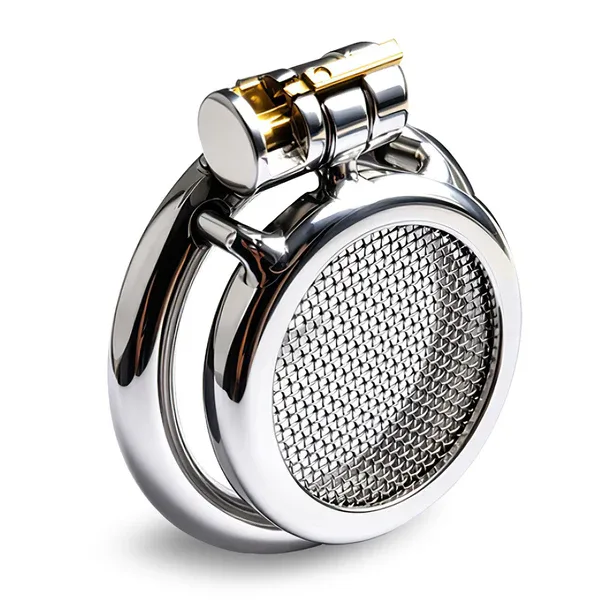
Flat Stainless Steel Star-Mesh Chastity Cage
The Flat Stainless Steel Star-Mesh cage combines a 35 mm central opening with either a Flat or Arc ring. Its page lists 40, 45 and 50 mm ring diameters, a 7 mm ring thickness and different profiles for the two ring styles. Those details make it a concrete geometry comparison for bathroom planning. Consider how the mesh and ring sit together, then test stream direction, cleanup and drying; a low-profile shape can still misalign for an individual wearer.
Make the Routine Repeatable
Use the same sequence each time: choose a stable position, allow a normal stream, clean exposed areas, dry skin and clothing, then check that the cage returned to its normal position. If the routine regularly takes excessive time or causes leaks, treat that as fit evidence rather than a personal failure.
Review the first few days in your Locktober notes. Record practical observations without turning every bathroom visit into a score. A workable setup should support hydration, normal daily plans and prompt removal when something is wrong. If it cannot, change the device schedule or continue the challenge without one.