A Locktober keyholder should know exactly what the role includes before the challenge starts. Holding a key, receiving check-ins and making routine decisions can be part of a consensual dynamic, but none of those responsibilities should be guessed after October begins.
The useful conversation is practical: what authority is being given, what always remains with the wearer, how removal works, when communication happens and what ends the arrangement. A written agreement does not make the relationship cold. It prevents enthusiasm from hiding different expectations.
Start With the Meaning of the Role
“Keyholder” can describe several very different arrangements. One person may literally store a key nearby. Another may approve a daily schedule while the wearer keeps emergency access. A long-distance partner may receive updates without controlling any physical lock.
Choose the role that exists in your relationship rather than copying language from someone else’s challenge. The Locktober for couples guide covers the broader questions of boundaries and check-ins; this guide focuses on the keyholder’s specific responsibilities.
Consent Is Ongoing, Not Transferred With the Key
Giving someone a key does not give them permanent control over another person’s body. Either participant can pause or end the arrangement. The wearer must be able to request removal without proving enough discomfort, and the keyholder must be able to step back from a role they no longer want.
Agree on simple language for three situations: a routine request, an immediate stop and an emergency. Avoid codes so elaborate that they become confusing when someone is tired or stressed. A direct phrase such as “I need to remove now” should not start a negotiation.
Define Routine Authority
List the decisions the keyholder may make during normal participation. Examples might include choosing between two pre-approved session lengths, setting a check-in time or confirming a planned break. Then list the decisions they do not make, such as overriding pain, changing medical care, demanding public disclosure or withholding emergency access.
Specific boundaries protect both people. The wearer knows what they are agreeing to, and the keyholder is not expected to invent rules on demand. Use the beginner rules framework to convert broad ideas into dates, limits and stop conditions.
Agree on Check-Ins Before Day 1
Choose a schedule that fits work and sleep. A short morning message and an evening review may be enough. Constant availability can make the role exhausting and encourage unnecessary monitoring.
Each check-in should cover only useful information: current comfort, whether the agreed routine was followed, any schedule change and the next decision. Decide what happens if a message is late. Silence should not automatically produce a punishment or extend a session.

Write the Removal Plan
Identify the primary key or release method, a backup and the person who can actually reach them. If the keyholder leaves home, sleeps, works in a restricted environment or loses phone access, the wearer still needs a reliable way to remove promptly.
Set limits for response time in ordinary circumstances. More importantly, confirm that urgent removal does not wait for a reply. A symbolic sealed backup can preserve the ritual while keeping access real, but it should open quickly and should not depend on an online service.
Plan for Hygiene, Work and Sleep
A keyholder may help the routine stay consistent, but they should not treat cleaning, normal movement or sleep as rewards. Put hygiene periods and practical checks directly on the schedule. If a workday, trip or appointment changes the privacy available, use the agreed adjustment rather than improvising pressure.
The Locktober preparation guide helps map ordinary responsibilities before October. Review that calendar together and mark days when the usual keyholding arrangement cannot work.
Long-Distance Keyholding
Distance adds communication and technology risks. Time zones, lost phones, expired logins, poor connections and changing work hours can all interrupt an otherwise clear plan. Decide which actions can happen without live approval and keep a local removal method available.
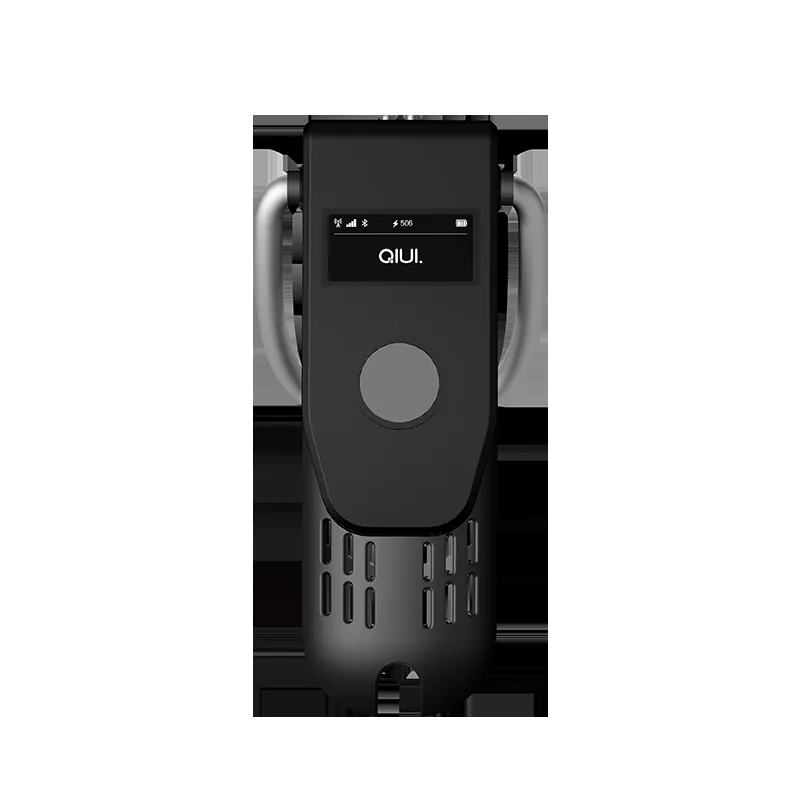
If you are considering a connected device, verify exactly how it operates, how access is recovered and what local backup exists. The CAGINK PRO Cellular Remote Chastity Lock is a current product page where couples can review the stated control method and product details. Do not make the challenge dependent on an untested connection or assume the product removes the need for direct communication.
Protect Privacy and Digital Boundaries
Agree on what may be recorded, stored or shared. Photos, screenshots, location data and intimate messages deserve explicit permission. “It is part of the challenge” is not permission to save or distribute material.
Keep check-in records only as long as they are useful. Use secure accounts and avoid sharing passwords when a platform offers separate access. If the relationship ends or the challenge stops, return physical keys and remove access promptly.
Decide How Rules Can Change
Set a review time, perhaps every three or seven days. Routine changes should be discussed when both people are calm, not introduced as a surprise in the middle of a session. Write the new version down and confirm that both participants accept it.
Some rules should never require a review meeting: either person can withdraw consent, necessary removal happens immediately and urgent concerns take priority over the challenge. Those points stay clear even when the rest of the plan is playful.
What a Keyholder Should Not Promise
Do not promise twenty-four-hour availability, perfect control or a fixed result regardless of circumstances. A keyholder is still a person with work, sleep and responsibilities. Overpromising creates the exact gaps that a removal and communication plan is supposed to prevent.
Do not make health judgments outside your competence. If the wearer reports pain, numbness, unusual swelling, discoloration, skin injury, difficulty urinating or another concern, support prompt removal and appropriate care. The role is not to test whether the concern is serious enough.
Device Options to Discuss With a Keyholder
CC34 Ergonomic Stainless Steel Stealth Lock Male Chastity Device
A keyholder discussion can use verified product details to define control, removal and backup responsibilities before the key changes hands. The page identifies 304 stainless steel, an open-bar form and five selectable clamp-ring choices. The product does not replace consent, clear check-ins or a release plan that works when the keyholder is unavailable.

View CC34 Ergonomic Stainless Steel Stealth Lock Male Chastity Device →
CAGINK PRO Cellular Remote Chastity Lock
A keyholder discussion can use verified product details to define control, removal and backup responsibilities before the key changes hands. The product page lists cellular and Bluetooth control modes, magnetic charging and an adjustable snap-ring configuration. The product does not replace consent, clear check-ins or a release plan that works when the keyholder is unavailable.

Chainmail Chastity Cage Adjustable
A keyholder discussion can use verified product details to define control, removal and backup responsibilities before the key changes hands. The product uses an open metal chainmail structure and lists an adjustable ring range of about 38–60 mm. The product does not replace consent, clear check-ins or a release plan that works when the keyholder is unavailable.

A Short Pre-Challenge Agreement
Before the start, both people should be able to state:
- the challenge dates and ordinary schedule;
- the keyholder’s specific decisions and limits;
- the check-in rhythm and what happens after a missed message;
- the primary and backup removal methods;
- the privacy rules;
- the words that pause or end the arrangement.
Read the list aloud, confirm access and test the ordinary routine before October. The complete 31-day challenge guide can help place the agreement inside a larger calendar.
The Best Keyholding Plan Is Understandable
A strong Locktober keyholder agreement does not need dramatic language. It needs decisions both people can remember when the schedule changes. Define authority narrowly, keep consent active, protect removal access and make check-ins sustainable.
Use the Locktober31.com homepage to choose the event structure, then write the keyholder role beside it. The key is only one object in the plan; communication and reliable access are what make the arrangement workable.