
Traveling during Locktober changes more than your location. Transport can mean long sitting, accommodation may reduce privacy, time zones disrupt check-ins and luggage can separate you from important items. A trip deserves its own plan rather than a promise to keep the home routine unchanged.
The simplest option is often a scheduled break. Locktober does not require continuous participation, and travel is not a test of whether you can preserve a streak under every condition. If you do include part of the trip, decide what happens at each stage before departure.
Review the Itinerary, Not Just the Dates
Mark departure, transport, transfers, arrival, shared accommodation, activities and the return journey. Ask where you will have privacy, when cleaning is possible and whether the removal method will remain accessible. A two-hour flight and a twelve-hour multi-stop day are different plans.
Use the Locktober 2026 calendar to identify travel days early. Label each one active, modified or paused. This prevents a last-minute decision from feeling like an exception you need to justify.
Choose One of Three Travel Formats
Pause for the Entire Trip
Remove before leaving and resume only after returning, cleaning and reviewing the routine. This is the clearest choice for flights, shared rooms, unfamiliar destinations or packed schedules.
Participate Only at the Destination
Keep transport days free, then use short planned periods when private accommodation and local access are confirmed. This separates the most unpredictable part of travel from the challenge.
Use a Reduced Routine
Keep the challenge visible through check-ins, journaling or selected sessions without copying the full home schedule. The 31-day participation guide explains how a flexible format can remain intentional.
Security Screening Requires Caution
Do not assume any device or setup is suitable for airport, station, border or venue screening. Procedures vary by location and can change. A product being small, plastic, lightweight or app-controlled does not make it “airport safe,” undetectable or exempt from inspection.
The most predictable choice is to remove before screening and pack items in accordance with current carrier, venue and local rules. Check official instructions for the specific journey. This article cannot determine how a security officer will handle an item or situation.
Keep Removal Access Local
The person wearing the device should have a local method that does not depend on someone in another city, an app login or a live connection. Keep the primary method in hand luggage or on your person, not in checked baggage. Store a backup separately but still within reach.
If a keyholder is traveling with you, confirm who carries each method. If they are staying home, agree that loss of contact ends the active session at the planned time. No reply should never mean an automatic extension.
Plan for Hotels and Shared Accommodation
A private hotel room may still include housekeeping, maintenance visits or shared storage. A rental or family home may offer much less control. Decide where items are stored, when cleaning happens and how you will respond if privacy disappears.
Do not involve travel companions without their knowledge. Avoid leaving equipment, keys, packaging or cleaning supplies in common areas. If maintaining privacy becomes complicated, pause.
Road Trips and Long Sitting
Car seats, limited stops and extended sitting can make a familiar routine feel different. Test a shorter drive before the trip. Build normal movement and bathroom breaks into the itinerary, and do not delay stopping because the group is trying to make time.
The driver must be able to concentrate and move normally. Any distraction or posture change is enough reason to end that part of the challenge. Participation never takes priority over operating a vehicle safely.
Time Zones and Check-In Windows
Convert check-in times before departure. “8 p.m.” is ambiguous when two people are in different zones. Write the local time and the partner’s time, then decide what happens during flights or sleep.
A short asynchronous message may work better than a live call. Keep it practical: current status, any change, next planned check. The couples guide can help set boundaries without requiring constant contact.
Pack for Routine, Not Secrecy
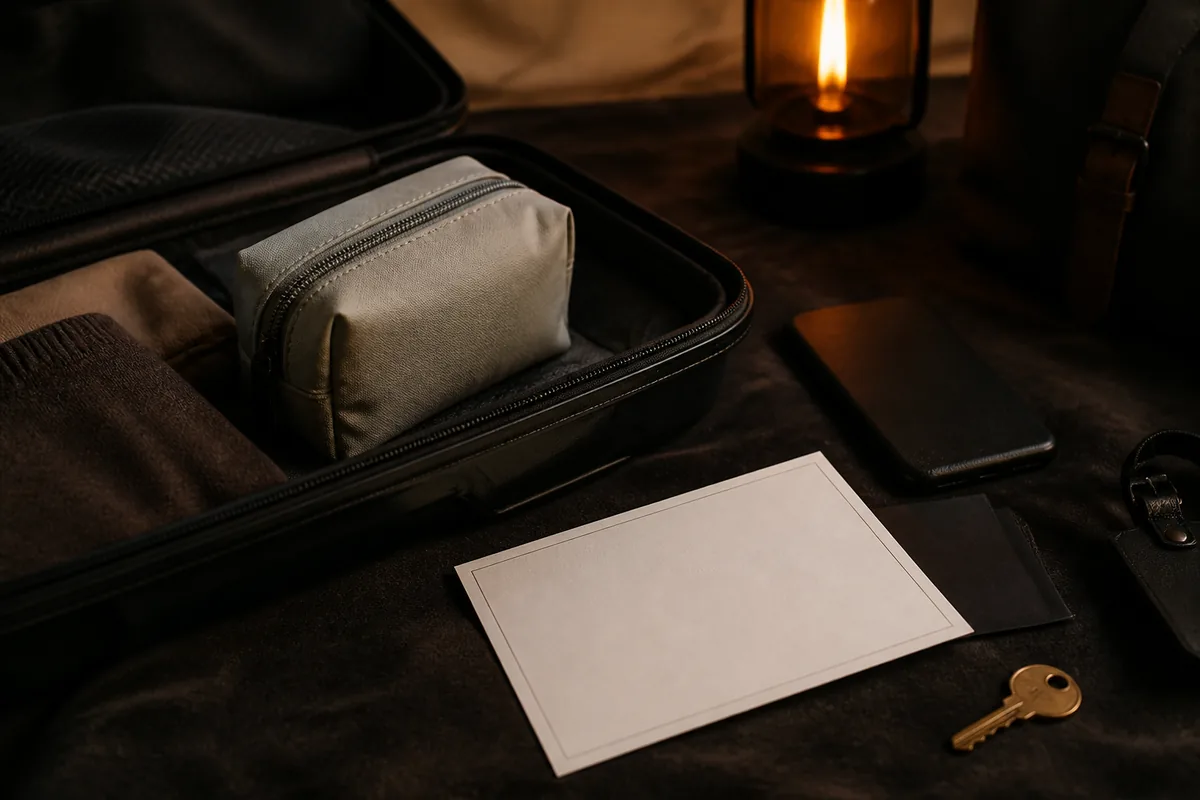
Bring only what the tested routine requires: release methods, ordinary cleaning supplies, a discreet storage pouch and any written instructions. Do not transfer unlabeled substances into questionable containers or pack tools in ways that conflict with travel rules.
Keep essential items together enough to use, but separate the backup from the primary. Review the bag before every transfer. A lost key or dead battery should trigger the planned pause, not a hurried workaround.
Expect the Schedule to Change
Flights delay, rooms are not ready and activities run long. Write one fallback rule such as: “If privacy, cleaning or access is unavailable at the planned time, the session ends.” That sentence removes the need to debate every disruption.
Use the Locktober preparation checklist before departure and again after arrival. The local conditions, not the original itinerary, determine whether the plan still works.
Check Local Rules and Medical Access
Destinations can have different laws, cultural expectations, venue policies and access to care. Research the parts that apply to your actual trip using official sources, and do not rely on a general Locktober article for local legal or security advice. If carrying or using an item could create uncertainty, leave it at home and use a device-free routine.
Know how to obtain ordinary medical help at the destination. Carry identification, insurance details and essential health information as you would on any trip. A private challenge should never make you delay seeking help because disclosure feels awkward.
Compact Options to Compare Before a Trip
The Flat Gatling Chastity Cage
Travel adds sitting, packing and schedule changes, so compare compact or adjustable designs at home before deciding whether equipment belongs on the trip. Its stainless-steel body uses a short, flat profile, and the product page lists 40, 45 and 50 mm ring diameters. Keep local removal access and do not use the product choice as a reason to bypass screening rules or local requirements.

Chainmail Chastity Cage Adjustable
Travel adds sitting, packing and schedule changes, so compare compact or adjustable designs at home before deciding whether equipment belongs on the trip. The product uses an open metal chainmail structure and lists an adjustable ring range of about 38–60 mm. Keep local removal access and do not use the product choice as a reason to bypass screening rules or local requirements.

Do a Return-Journey Check
The return trip deserves the same planning as departure. Fatigue, changed baggage and a later checkout time can remove the privacy you expected. Confirm the pause point, access location and transport plan the night before.
If anything is uncertain, end the active part of the challenge before leaving the accommodation. You can keep the calendar or communication routine without carrying the physical schedule into transit.
Resume Deliberately After the Trip
Travel fatigue is not an ideal moment to restart automatically. Unpack, clean, rest and confirm that the usual access plan is restored. Review any friction or privacy problem that appeared on the trip.
Return to the Locktober31.com homepage and choose the next reasonable day. A trip can be a planned gap inside the challenge rather than a crisis that has to be repaired.