Clothing can change how a chastity cage feels even when the device itself has not moved. Underwear controls support, trouser seams affect pressure, and a waistband can tilt the base ring while sitting. The right outfit is therefore the one you have tested through the movements of your real day—not simply the loosest or tightest option in the wardrobe.
Start with familiar clothes and a short wear period at home. If your month includes office days, also use the Locktober at work guide to plan privacy, breaks and emergency access.
Use Underwear to Support Without Compressing
Supportive briefs or boxer briefs may reduce swinging, while very tight fabric can press the cage into skin or change its angle. Loose boxers provide less support and may allow more movement. Try both approaches with normal walking and sitting, then choose based on stable positioning and unrestricted circulation rather than a rule about one style being best.
Check leg openings, center seams and elastic after thirty minutes. A seam that crosses the lock or front edge can become irritating over a full day. Underwear should also allow bathroom access without a complicated removal process. Keep a tested spare in your bag during the first week.
The Flat Gatling Chastity Cage
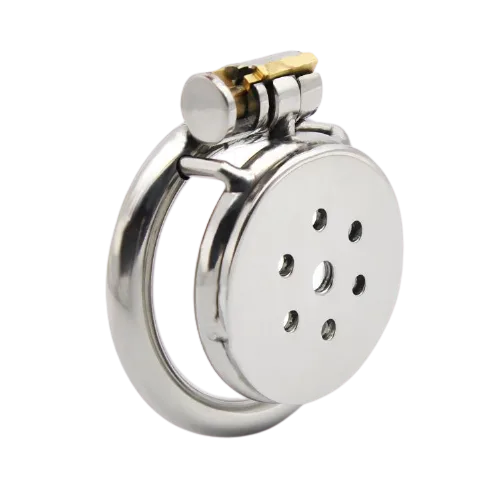
The Flat Gatling is a stainless-steel option to compare when front projection under clothing is the central concern. Its listing shows a 1.6 cm cage length, two internal cage diameters and three ring diameters. Those dimensions can help assess whether the profile fits a particular wardrobe, but flat does not automatically mean comfortable. Compare the ring and cage together, then test the complete setup with your normal underwear, sitting posture and bathroom routine.
Test Trousers While Sitting and Walking
A comfortable standing fit can change in a chair. Sit at a desk, bend to tie shoes, climb stairs and walk at your usual pace. Look for a zipper seam, crotch seam or tight front rise that presses one edge of the device. Do not compensate by changing your gait or perching at the front of the chair.
Trousers need enough room for normal movement without being so loose that the device shifts visibly. Stretch fabric may help, but it can also hold pressure continuously. The guide to sitting during Locktober provides a longer desk test and break schedule for workdays.
Butterfly Flat Chastity Cage
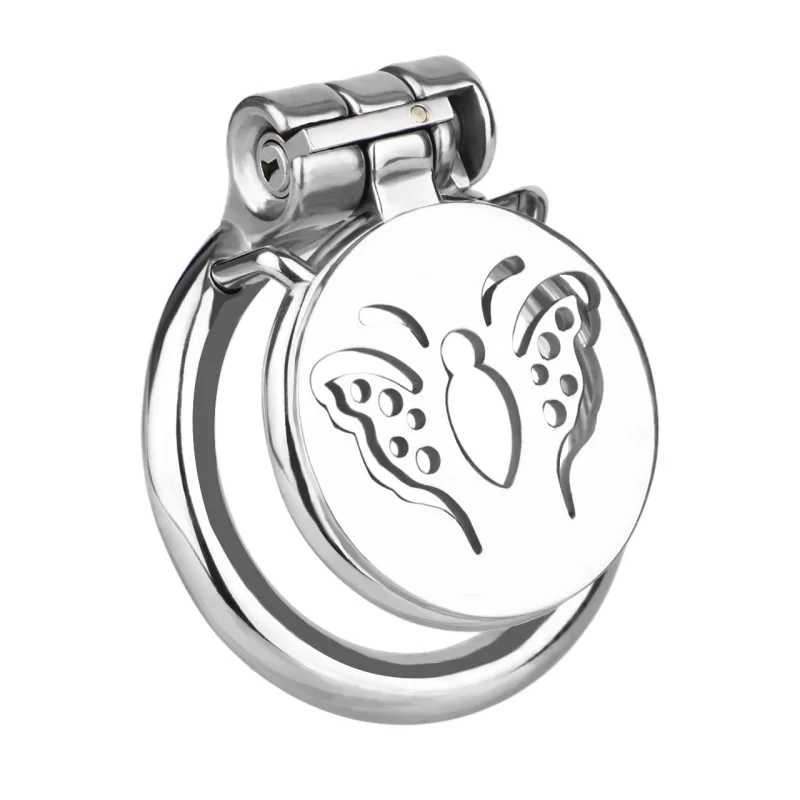
The Butterfly Flat cage provides another low-profile stainless-steel comparison with a listed 69 mm overall length, 23 mm width and four ring choices from 40–55 mm. Its decorative front and ring geometry differ from a simple flat disc, so check where the edges sit under underwear rather than relying on the word flat. Try the selected measurements with the trousers you wear most often and inspect after both sitting and walking.
Build a Work Outfit From the Inside Out
Choose underwear first, then trousers, belt and any tucked shirt. A belt can pull the waistband and front rise into a different position, while a tucked shirt may reduce room. Wear the full combination during a home desk session. If the job requires uniforms, protective equipment or a tool belt, treat that equipment as a separate pressure test.
Dark or textured fabrics may make contours less noticeable, but privacy should not depend on constant checking. Use an ordinary mirror test while standing, sitting and reaching. If anxiety remains high, select a device-free work schedule or adjust the challenge rule. Clothing should support the day, not turn every interaction into monitoring.
Account for Heat, Layers and Laundry
Extra layers can hide contours while trapping heat and sweat. In warm weather, prioritize breathable fabrics and a change of underwear rather than adding heavy clothing. In cold weather, long underwear may alter support and pressure. Test seasonal layers at home and shorten wear when moisture or rubbing increases.
Plan laundry so the proven underwear is available throughout the week. Buying many new pairs just before October creates too many variables. Two or three tested options are more useful than a drawer of untried styles. Wash new clothing before a long test and check that shrinkage has not changed the fit.
Dog Paw Low-Profile ABS Chastity Cage
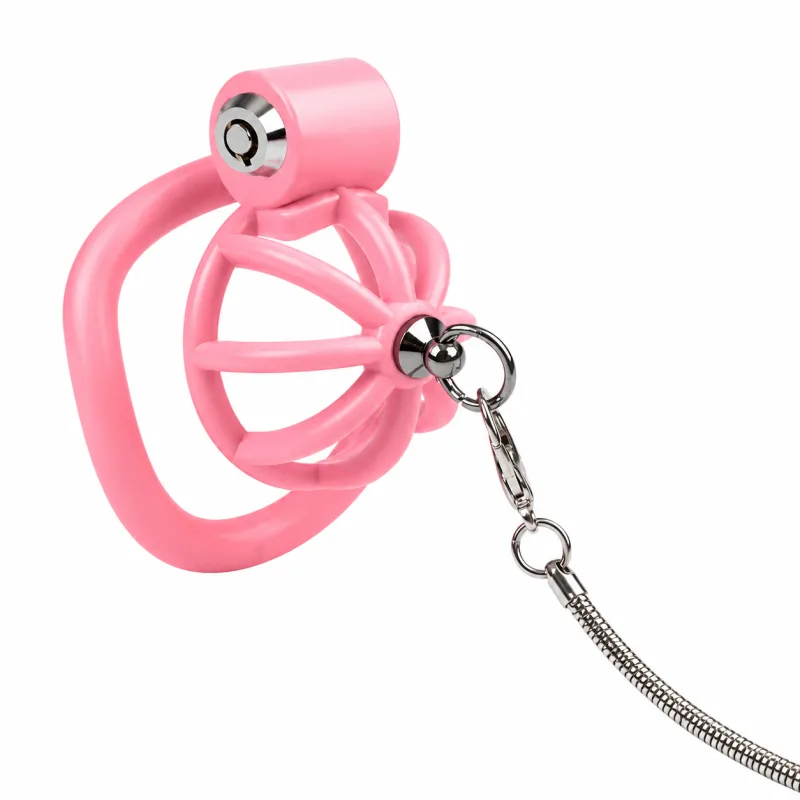
The Dog Paw Low-Profile ABS cage lists a 35 mm height, 38 mm inner diameter and five ring sizes from 38–52 mm. The Standard Cage variant is the clearest choice to compare for everyday clothing; accessory variants change the profile and should be assessed separately. ABS construction may alter weight compared with steel, but measurements and ring position still decide how it sits. Test the standard configuration under each planned layer before using it for a full day.
Prepare for Movement and Clothing Changes
A commute, gym change or evening event can turn one outfit into several. Test transitions rather than assuming each garment works independently. Keep the local release method available when changing in an unfamiliar place, and avoid public situations where you cannot respond discreetly to a pinch or shifted ring.
For walking, use the staged method in the walking comfort guide. If the day includes exercise, remove the device for activities involving impact, saddles, heavy loads or restricted movement. Clothes cannot make an unsuitable activity safe.
Know When the Outfit Test Has Failed
Change the outfit or remove the device if fabric causes sustained pressure, rubbing, altered movement or difficulty using the bathroom. Persistent pain, numbness, swelling, unusual discoloration, skin injury or difficulty urinating requires prompt removal. Seek qualified medical care when symptoms are severe or continue after removal.
A successful outfit feels ordinary enough that you can focus on work and daily tasks. Keep notes on the exact underwear and trousers that passed, including size and fabric, so you do not have to repeat the experiment each morning. The useful result may be different outfits for desk days, walking days and device-free exercise days.